
Beginner Guide
Krkonoše Foothills — Day Hikes with Minimal Elevation
Discover accessible walking routes through peaceful forests and meadows where you'll find stunning views without demanding climbs. Perfect for families, seniors, and anyone wanting to experience mountain beauty at a comfortable pace.
Why the Krkonoše Foothills Are Perfect for Light Hiking
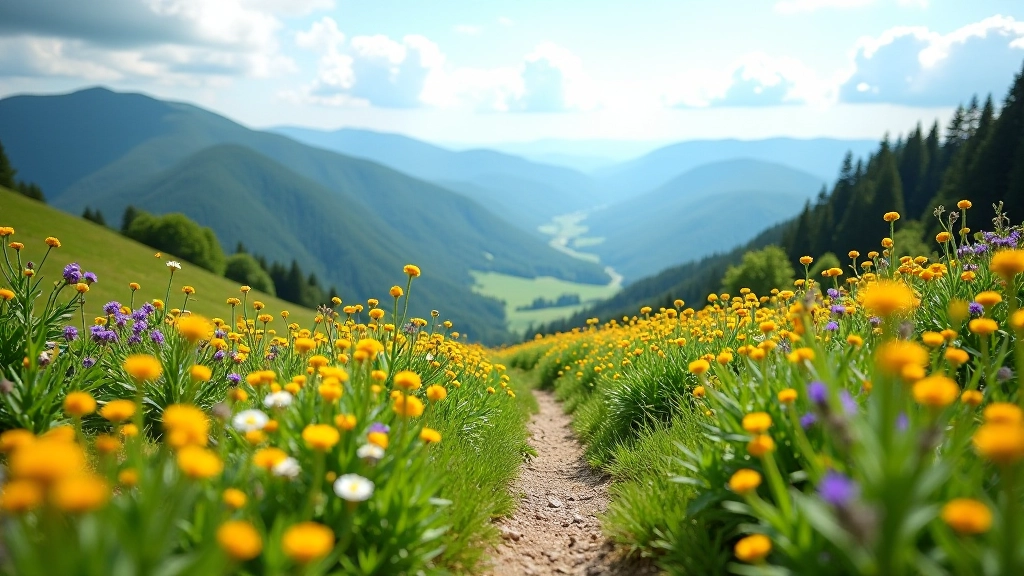
The Krkonoše foothills offer something special for hikers who don't want to tackle steep climbs. You'll find rolling terrain, well-maintained paths, and forests that feel genuinely peaceful. Most trails in this region range between 300–600 meters of elevation gain over the full day, which means you're not exhausted by lunchtime.
What's more, the foothills connect villages with real character — places where you can grab lunch, find a bench with a view, and actually enjoy your surroundings rather than just pushing to the summit. The local infrastructure is solid too. Buses run regularly between trailheads, accommodations are affordable, and locals know these routes inside out.
What You'll Experience
- Gentle forest walks with occasional open meadows
- Views of the main Krkonoše ridge without the effort
- Traditional Czech mountain villages
- Well-marked paths maintained year-round
- Family-friendly terrain accessible to most fitness levels
The Best Foothill Trails for Beginners
Three routes stand out for their combination of accessibility, scenery, and solid infrastructure. Each takes about 5–6 hours for an unhurried pace with stops.
Pec pod Sněžkou Loop
This 12-km loop starts from the village of Pec pod Sněžkou and climbs gently through beech and spruce forest to reach a meadow with clear views of the main ridge. You'll pass through traditional hamlets where locals still maintain wooden chalets. The elevation gain is around 450 meters spread across the full route — nothing steep. You can grab lunch at the small mountain hut at Horní Místa before heading back.
Harrachov to Mumlavské Vodopády
An 8-km walk through mixed forest leading to a series of small waterfalls. The path follows the Mumlava stream, so you're rarely without water nearby. Elevation gain is minimal — about 200 meters total. The waterfall area makes a perfect lunch spot, and there's a small café just below the falls where you can refill your water bottle. This route is excellent for photography.
What Makes These Walks Genuinely Accessible
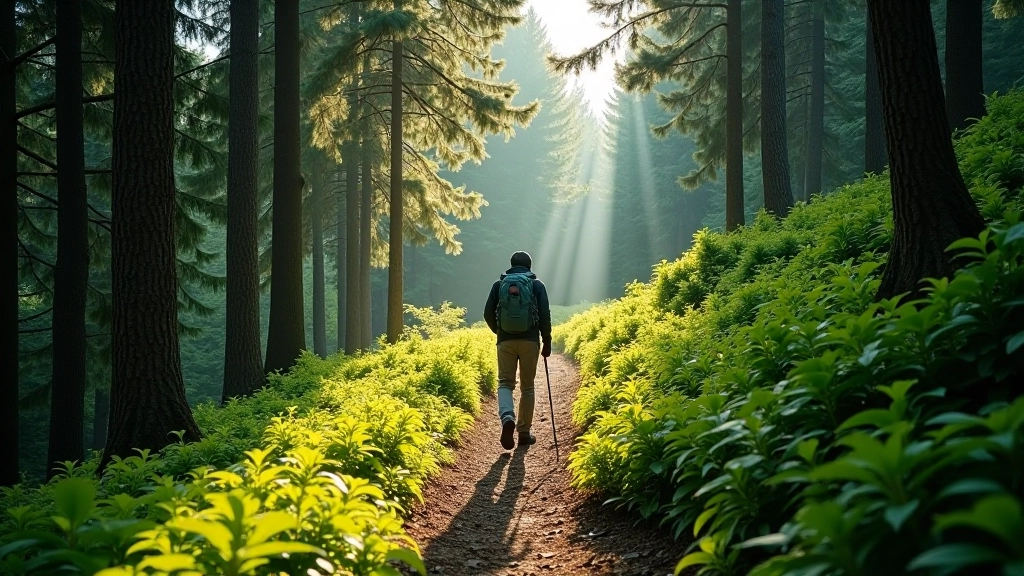
Here's what separates foothills hiking from higher-altitude trails. The paths don't demand technical skill — you're not scrambling over rocks or navigating narrow ridges. Most trails are 1.5–2 meters wide with natural steps worn by decades of hikers.
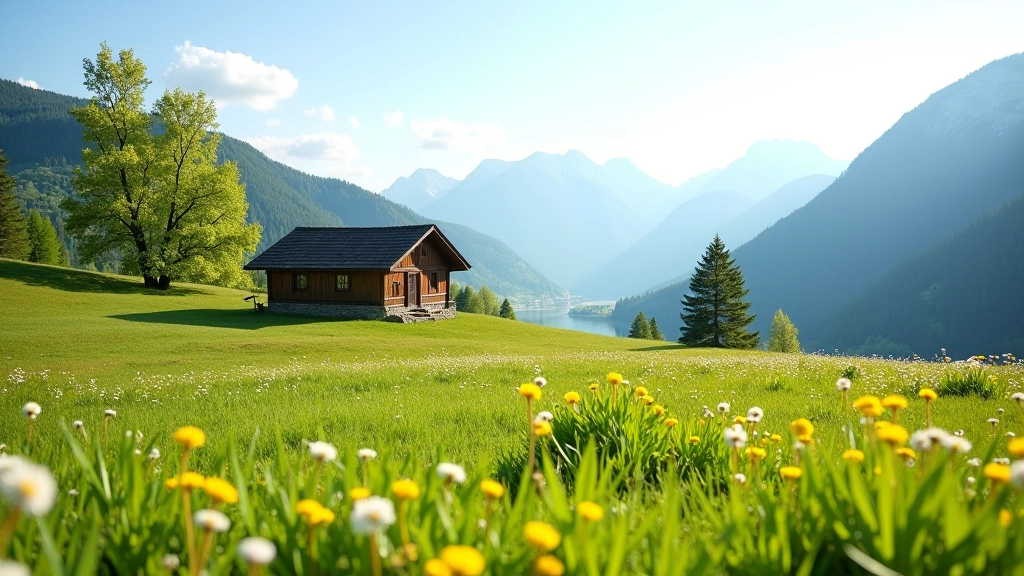
The terrain alternates between forest sections (which feel shaded and cool) and open meadows where you can see where you're going. Stream crossings are straightforward — usually just stepping stones or small bridges. And because you're in foothills rather than alpine terrain, the weather's more predictable. Rain happens, but you're not dealing with sudden temperature drops or dangerous wind exposure.
Plus, there's a psychological advantage. You're close enough to villages that you never feel truly remote. If someone in your group needs to stop early, it's not a crisis — you're usually within 2–3 km of a road or village.
Continue Your Learning
Practical Details for Your Hike
Fitness Level Required
No prior hiking experience needed. You should be comfortable walking for 5–6 hours with regular breaks. That's it. No mountain fitness required.
Best Time to Visit
May through September. July and August are busiest. June and September offer fewer crowds with great weather. Spring trails can be muddy; winter requires proper gear.
Trail Marking
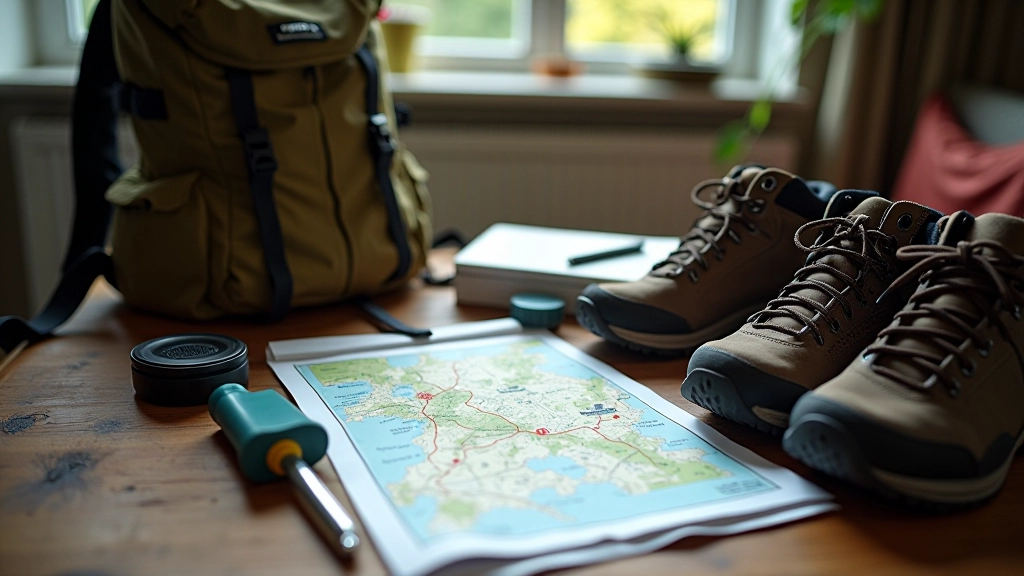
Trails are marked with painted blazes (red, blue, green, yellow stripes on trees). Follow the color consistently. Get a physical map or download offline maps — cell reception is spotty.
Food & Water
Bring 2 liters of water and snacks for the full day. Most routes have mountain huts where you can buy drinks and light meals. Pack your own lunch though — don't rely on hut availability.
Real Tips from Experienced Hikers
1
Start Early
Trails are less crowded before 9 AM, and you'll finish in daylight. Starting at 7 or 8 AM gives you breathing room if someone's pace is slower than expected.
2
Bring Proper Footwear
Hiking boots or sturdy trail shoes with good ankle support. Forest paths get rocky and roots stick up. Sneakers aren't adequate — you'll regret it by hour three.
3
Take Your Time at Meadows
Don't rush through open meadow sections. This is where the views are. Stop for 15 minutes, eat a snack, take photos. The pace matters less than the experience.
4
Check Weather the Night Before
Mountain weather changes fast. If rain is forecast, bring a rain jacket. If winds are strong (over 40 km/h), reconsider open ridges. Locals check forecasts — you should too.
5
Know When to Turn Back
If someone's struggling or weather deteriorates, head down. These foothills aren't going anywhere. A good hike is one where everyone finishes happy, not exhausted.

Your Foothills Hiking Adventure Starts Here
The Krkonoše foothills don't demand that you're a mountain athlete. They reward you for showing up, moving at your own pace, and paying attention to what's around you. Whether you're 8 or 80, solo or with family, there's a walk here that'll make sense for you.
Start with one of the three routes described above. Pick the one that sounds most appealing based on the scenery or the village. Grab your boots, download an offline map, and go. You'll understand why people keep coming back to these foothills once you're standing in a meadow with the main ridge in view, breathing in fresh air, and realizing you're not even tired yet.
Disclaimer
This article is informational and educational in nature. Trail conditions, accessibility, and difficulty can vary based on season, weather, personal fitness, and recent maintenance. Before hiking any trail, check local conditions, review current weather forecasts, and consult with local tourism offices. Hiking carries inherent risks. We recommend starting with well-established routes, hiking with others, and knowing your personal fitness limits. This guide is based on typical conditions and should not replace current local advice or professional guidance specific to your circumstances.